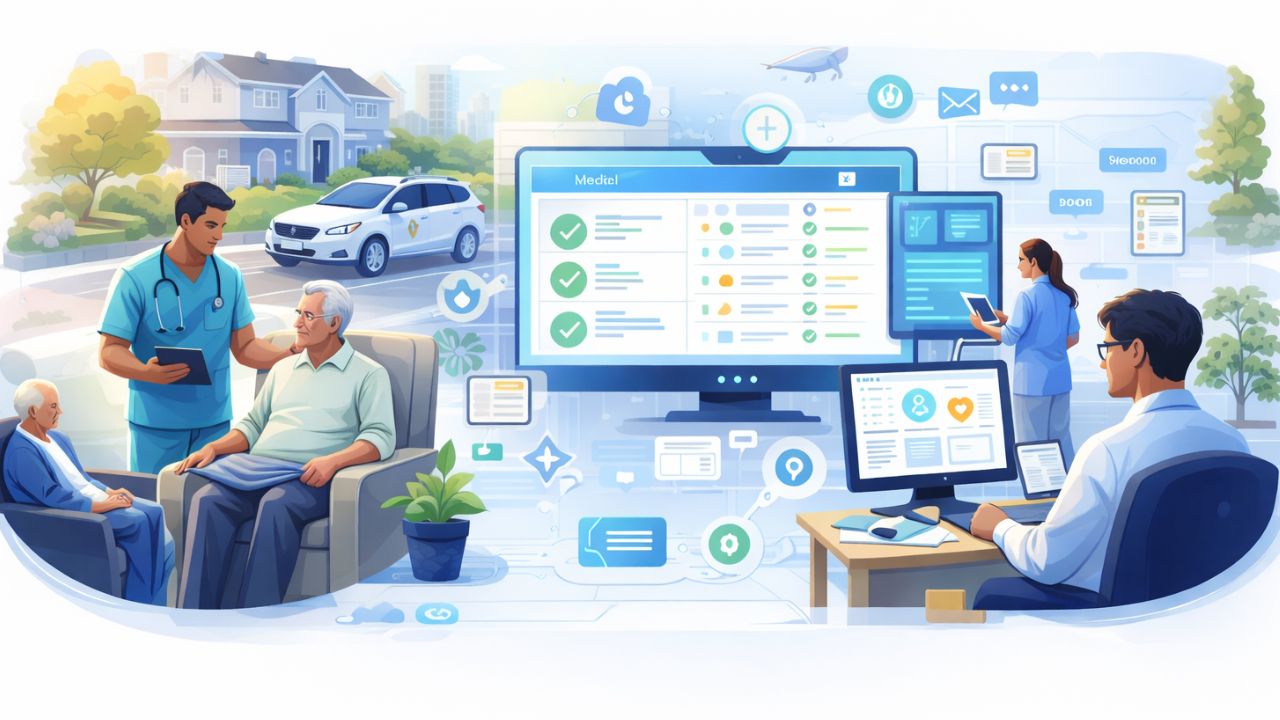
Healthcare field teams work under constant pressure. They move between patient locations, manage tight schedules, handle documentation, and stay compliant with regulations, all while delivering quality care. Healthcare field staff service efficiency plays a direct role in how well patients are treated, how quickly issues are resolved, and how sustainable daily operations remain for providers.
When efficiency improves, patients experience timely visits and consistent care. Staff members face fewer delays and less frustration. Organizations benefit from reduced costs, better compliance, and stronger trust. This article breaks down practical, real-world ways healthcare field staff can work more effectively without sacrificing care quality.
Service efficiency in field healthcare is not about rushing visits or cutting corners. It is about using time, resources, and tools in a way that allows staff to focus more on patient care and less on avoidable tasks.
Field operations differ from hospital settings because staff work independently, often without immediate support. Every delay in scheduling, communication, or documentation has a ripple effect across the day. Efficient operations help ensure that:
Visits happen as scheduled
Patient data is accurate and accessible
Care teams remain aligned
Patients notice efficiency immediately. Late arrivals, repeated questions, or missing records reduce confidence in care providers. On the other hand, organized and timely service builds trust.
Efficient field staff are able to:
Spend more time listening to patients
Access medical history without delays
Follow up on care plans consistently
When these elements come together, patient satisfaction improves naturally. Efficient service also reduces errors, which directly supports better health outcomes.
Many inefficiencies come from operational gaps rather than staff performance. Common issues include:
Manual paperwork that must be entered later
Poor coordination between office teams and field staff
Overlapping appointments or inefficient travel routes
Limited visibility into real-time task status
Without proper systems, even experienced professionals lose valuable time handling avoidable administrative work.
Clear and consistent processes help field staff work confidently and independently. Standardized workflows reduce guesswork and prevent missed steps during patient visits.
Standardization may include:
Predefined visit checklists
Structured documentation formats
Clear escalation protocols
These practices allow staff to focus on care delivery instead of figuring out what comes next.
Digital tools play a key role in reducing delays and manual effort. Mobile access to schedules, patient records, and task updates keeps field staff informed throughout the day.
Technology supports efficiency by:
Reducing duplicate data entry
Providing real-time updates
Centralizing patient and task information
The result is smoother coordination and fewer disruptions during patient care.
Fast and clear communication prevents small issues from becoming larger problems. When field staff can instantly share updates, office teams can adjust schedules, notify patients, or provide support as needed.
Strong communication systems help:
Avoid missed appointments
Improve response time during emergencies
Maintain accountability across teams
Efficient scheduling is one of the most overlooked areas in field healthcare operations. Poor scheduling leads to staff burnout and inconsistent care delivery.
Optimized scheduling considers:
Location-based assignments
Balanced workloads
Travel time between visits
These adjustments help staff complete more visits without feeling overwhelmed.
Efficiency improves when staff are trained not only in clinical skills but also in operational best practices. Training helps staff adapt to tools, workflows, and reporting standards.
Key focus areas include:
Time management
Digital tool usage
Accurate and timely documentation
Ongoing training reinforces consistency and confidence in daily operations.
Measuring performance helps organizations identify where improvements are needed. Useful metrics include visit completion time, documentation accuracy, and response rates.
Regular reviews allow teams to adjust processes without adding unnecessary pressure on staff.
Leadership plays a major role in enabling efficient operations. Clear expectations, proper tools, and open communication channels allow field staff to perform at their best.
Managers should focus on removing barriers rather than adding layers of oversight.
Consistency builds credibility. When patients receive dependable care, trust grows naturally. Efficient field operations reduce errors, improve compliance, and support long-term relationships.
This reliability strengthens the reputation of healthcare organizations within their communities.
The right platform simplifies scheduling, reporting, and communication in one place. Solutions like Health Care Service Staff Management help healthcare organizations coordinate field teams, track tasks, and maintain compliance without added complexity.
Choosing the right tool ensures efficiency scales as operations grow.
If your organization is looking to improve coordination, visibility, and productivity across field teams, Upteams offers practical solutions designed for real healthcare operations, not generic workflows.
Improving healthcare field staff service efficiency requires a balanced approach. Clear processes, supportive leadership, and the right technology work together to reduce friction in daily operations. When efficiency improves, staff feel supported, patients receive better care, and organizations operate with greater confidence and stability.
Start your free trial today