Team productivity is no longer about working longer hours. It is about clarity, alignment, and execution. As businesses grow, managing tasks through emails, spreadsheets, or informal updates often leads to missed deadlines, duplicated effort, and unnecessary stress. These inefficiencies directly impact performance and profitability.
Task management software provides a structured and scalable way to organize work, improve collaboration, and ensure every task moves forward with purpose. When teams have clear priorities, real-time visibility, and defined accountability, productivity becomes consistent and measurable. This article explores how task management software helps teams work smarter and why it has become an essential tool for modern organizations.
Task management software is a centralized platform that helps teams plan, assign, track, and complete tasks efficiently. It replaces scattered communication and manual tracking with a clear system that keeps everyone aligned.
By allowing teams to view tasks, deadlines, and progress in one place, task management software reduces confusion and improves coordination. Whether managing daily operations or long-term projects, it ensures work stays organized and actionable.
Without a dedicated task management system, teams often face hidden productivity losses that add up over time.
Common challenges include:
Unclear ownership leading to delayed execution
Missed deadlines due to lack of reminders
Limited visibility into team workload
Time wasted on follow-ups and status meetings
Difficulty identifying priorities
These issues not only slow down work but also reduce accountability and team confidence. A lack of structure makes it difficult to maintain consistent performance as teams grow.
Task management software ensures every task has a clear owner and deadline. This clarity removes ambiguity and encourages responsibility.
When team members know exactly what is expected of them, work moves faster and managers spend less time chasing updates. Accountability becomes part of the workflow, not an added burden.
Not all tasks require immediate attention. Task management software helps teams organize work based on urgency and importance.
This structured prioritization allows teams to focus on high-impact tasks first, reduce last-minute stress, and maintain a steady workflow without burnout.
Collaboration becomes more effective when all task-related discussions happen in one place. Task management software centralizes comments, updates, and feedback within each task.
This reduces reliance on emails and messaging tools, minimizes miscommunication, and keeps everyone aligned throughout the project lifecycle.
Real-time task visibility is essential for productive teams. Task management software shows which tasks are completed, in progress, or delayed.
This transparency helps managers identify bottlenecks early and allows team members to understand how their work contributes to overall goals.
Automated reminders and organized task lists reduce time spent on manual coordination. Teams spend less time tracking work and more time completing it.
Efficient workflows lead to faster task completion and better use of available resources, directly improving productivity.
Office teams benefit from structured workflows and better coordination between departments. Task management software helps manage daily responsibilities and long-term projects efficiently.
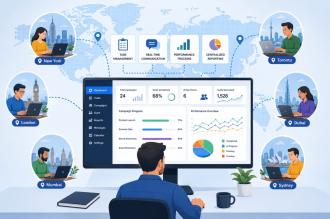
For remote teams, task management software provides clarity without the need for frequent meetings. Clear task tracking helps maintain productivity across locations and time zones.
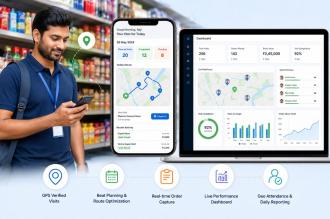
Field teams can update task progress in real time, ensuring accurate reporting and faster decision-making. This improves efficiency and reduces delays caused by communication gaps.
Task management software includes features that directly impact team performance:
Task assignment with deadlines
Progress tracking and status updates
Notifications and reminders
Task-based collaboration tools
Performance reports and insights
When used consistently, these features help teams stay organized and focused.
Productivity depends on informed decisions. Task management software provides data on task completion, workloads, and delays.
These insights help managers adjust priorities, allocate resources effectively, and improve planning for future projects.
To achieve the best productivity results, teams should:
Create clear and actionable tasks
Avoid overloading team members
Update task status regularly
Encourage consistent usage across the organization
Review reports to optimize workflows
Proper usage ensures long-term productivity improvement.
Tracking productivity metrics helps teams evaluate performance over time. Key indicators include task completion rates, deadline adherence, and workflow efficiency.
Regular reviews allow teams to identify gaps and refine processes for better results.
Task management software delivers results only when it is easy to adopt, scalable, and built for real-world team workflows. The right platform helps teams stay aligned, meet deadlines, and focus on meaningful work without unnecessary complexity.
Upteams helps organizations plan, assign, and track work in one centralized workspace designed for modern teams. Whether managing daily tasks or complex projects, Upteams gives teams the clarity and visibility they need to perform at their best.
Start organizing work more effectively and turn productivity into a consistent outcome.
Task management software plays a vital role in improving team productivity. By providing structure, clarity, and visibility, it eliminates common workflow challenges and supports efficient collaboration.
Teams that adopt task management software can work more effectively, reduce stress, and achieve consistent performance. With the right approach, it becomes a powerful tool for sustainable productivity growth.
Start your free trial today