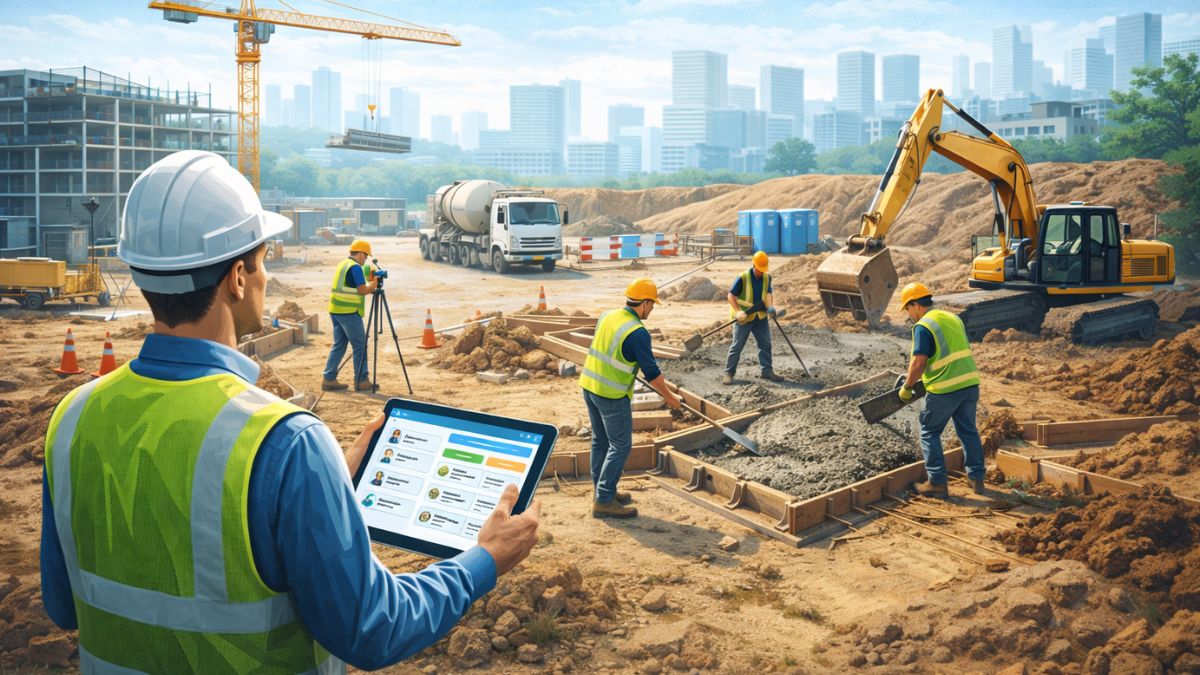
Construction projects often face delays, cost overruns, and coordination issues. Studies show that nearly 30% of construction time is lost due to poor communication and inefficient field operations. This highlights why businesses must focus on how to Manage Construction Field Teams more effectively.
Managing field teams is not just about assigning work. It involves tracking, communication, reporting, and accountability across multiple job sites. When companies improve how they manage construction field teams, they see better productivity, fewer delays, and smoother operations.
In this guide, you’ll find practical ways to improve field team management without adding unnecessary complexity.
Managing field teams in construction comes with several daily challenges.
One of the biggest issues is limited visibility. Managers often struggle to know what is happening across multiple sites in real time. This leads to delays and missed updates.
Manual reporting is another common problem. Paper-based updates or delayed reports make it difficult to track progress accurately. By the time issues are noticed, they may have already affected timelines.
Communication gaps also create confusion. When instructions are shared through calls or scattered messages, errors are more likely to happen.
Tracking attendance and work hours can be unreliable as well. Without a proper system, it becomes hard to verify actual work done on-site.
All these challenges directly impact productivity, costs, and project quality.
Real-time tracking helps managers understand where their teams are and what they are working on. It allows better monitoring across multiple sites without constant follow-ups.
This improves accountability and ensures that work is progressing as planned.
Clear task assignment is essential for smooth operations. When workers know exactly what needs to be done, it reduces confusion.
Replacing manual reporting with mobile-based updates ensures faster and more accurate reporting. Teams can share progress instantly, helping managers take timely decisions.
Strong communication keeps projects on track. Instead of relying on multiple channels, using a centralized system helps maintain clarity.
When instructions and updates are documented properly, it reduces misunderstandings and ensures everyone is aligned.
Tracking performance helps identify what is working and what needs improvement.
Managers can monitor task completion rates, time spent on activities, and overall productivity. This makes it easier to address delays and improve efficiency.
Manual attendance systems often lead to errors. Automating attendance through mobile-based tracking ensures accurate records.
This not only improves transparency but also simplifies payroll and reporting processes.
Efficient route planning saves time and resources. Assigning tasks based on location reduces unnecessary travel and helps teams complete more work in less time.
This approach also reduces fuel costs and improves overall productivity.
Safety is critical in construction. Regular monitoring of safety practices helps prevent accidents and ensures compliance with regulations.
Tracking safety checklists and incident reports creates a safer working environment for field teams.
Technology plays a key role when companies want to Manage Construction Field Teams effectively.
Modern tools provide real-time visibility into field operations. Mobile apps allow workers to submit updates instantly, while cloud-based systems store all data in one place.
This reduces dependency on manual processes and improves coordination across teams. With better access to information, managers can make faster and more informed decisions.
Using technology does not make processes complicated. Instead, it simplifies operations and improves control over field activities.
Many construction companies struggle not because of lack of effort, but because of avoidable mistakes.
Relying only on manual processes slows down operations and increases errors. Without clear task ownership, responsibilities become unclear, leading to delays.
Ignoring real-time updates makes it difficult to respond quickly to issues. Poor communication systems create confusion, and lack of performance tracking prevents improvement.
Avoiding these mistakes can make a significant difference in how effectively teams are managed.
When field teams are managed properly, the results are clearly visible.
Projects are completed faster because delays are reduced. Productivity improves as teams work more efficiently.
Operational costs decrease due to better planning and reduced wastage. Accountability increases, as every task and activity is tracked.
In the long run, better field management leads to higher client satisfaction and stronger business growth.
Consider a mid-sized construction company dealing with frequent delays and poor coordination between site teams and office staff.
They introduced a system for tracking tasks and reporting progress in real time. Field workers started submitting updates through mobile devices instead of manual reports.
Within a short time, communication improved, delays reduced, and managers gained better control over operations.
This example shows how even simple changes can help businesses Manage Construction Field Teams more effectively.
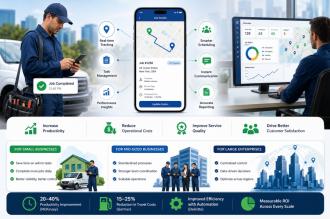
Managing field teams becomes much easier when you use tools designed for real construction challenges. A reliable Field Services Management App helps track employee activity, assign tasks, and monitor progress without relying on manual processes.
Instead of waiting for updates or dealing with incomplete reports, managers can see what is happening across job sites in real time. This improves decision-making and helps resolve issues quickly before they affect project timelines.
A structured system also improves communication between field workers and office teams. Everyone stays aligned, and updates are shared instantly. If your goal is to Manage Construction Field Teams efficiently, adopting the right tools can bring better control, improved productivity, and smoother project execution.
Managing field teams effectively is essential for any construction business that wants to reduce delays and improve productivity. Companies that focus on visibility, communication, and structured processes perform better over time.
To Manage Construction Field Teams successfully, it is important to identify existing gaps and take practical steps to improve operations. Even small improvements can lead to better coordination and stronger results.
Solutions like UpTeams can support businesses in building a more organized and efficient approach to field team management, helping them stay on track and deliver projects with confidence.
Start your free trial today